RIVER STORIES
RIVER STORIES
Dive into the moments, myths, and memories that shaped the Yokanga into a world-renowned fly fishing sanctuary.
Dive into the moments, myths, and memories that shaped the Yokanga into a world-renowned fly fishing sanctuary.
Legendary Waters.
Unforgettable Tales.
Legendary Waters.
Unforgettable Tales.
This is where the soul of the Yokanga comes to life — a curated collection of firsthand stories from those who shaped its heritage, forged its myth, and experienced the magic of one of the last true trophy salmon rivers on Earth.
When the rods are packed away, the wild opens in new ways. Yokanga isn’t just a destination for world-class anglers — it’s a remote retreat where nature takes center stage.
Nov 1, 2025
The Beginning
The story of how a remote Arctic river, giant Atlantic salmon, and a determined group of anglers gave rise to the Yokanga River Lodge.

Feb 1, 2026
The Northern Lights
A difficult winter journey to Murmansk becomes an unforgettable encounter beneath the Northern Lights.

Jul 30, 2026
Mother Bear at the Door
A mother bear claims a remote river outpost, leading to an extraordinary standoff with the wilderness and a hovering helicopter.
The Beginning
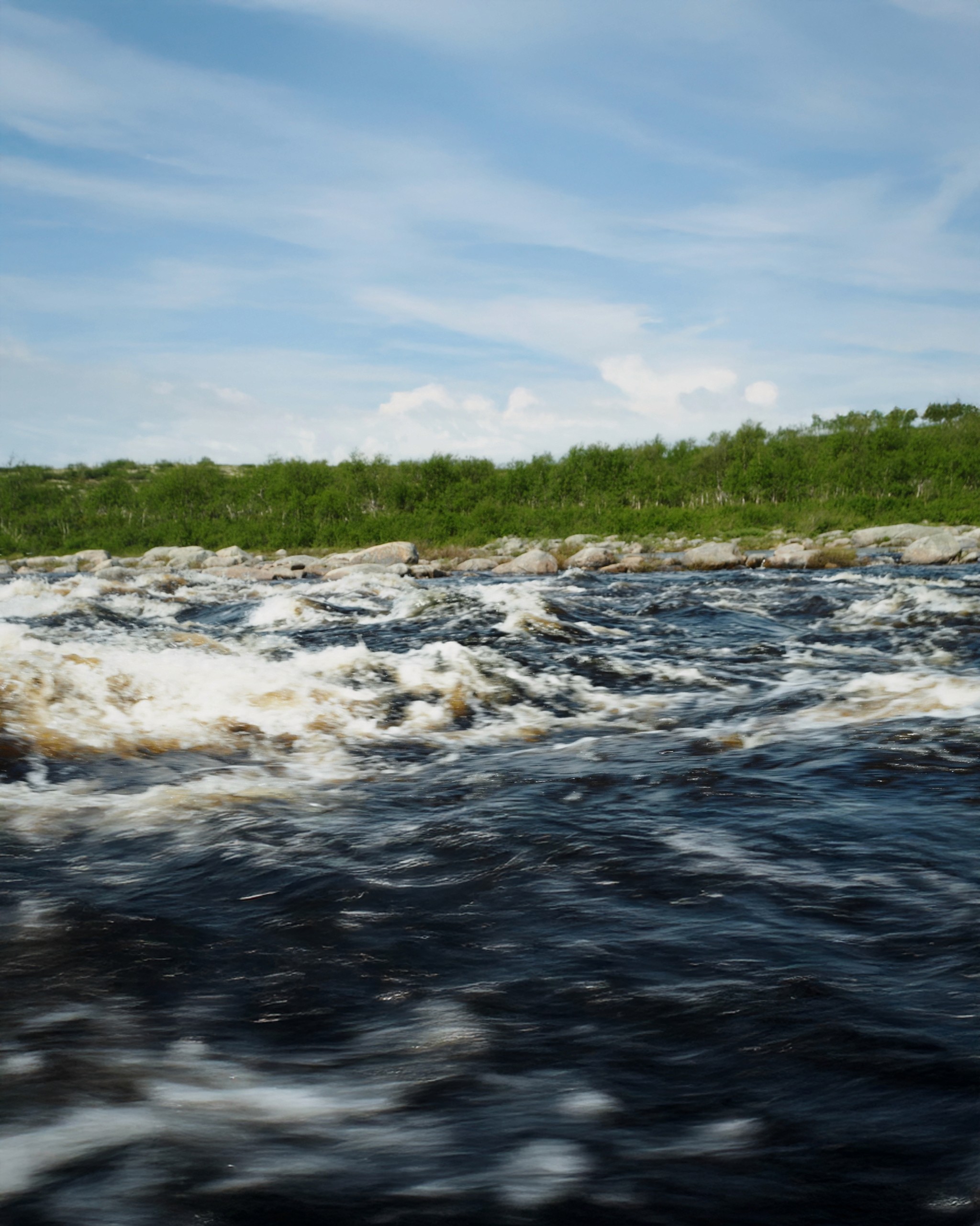
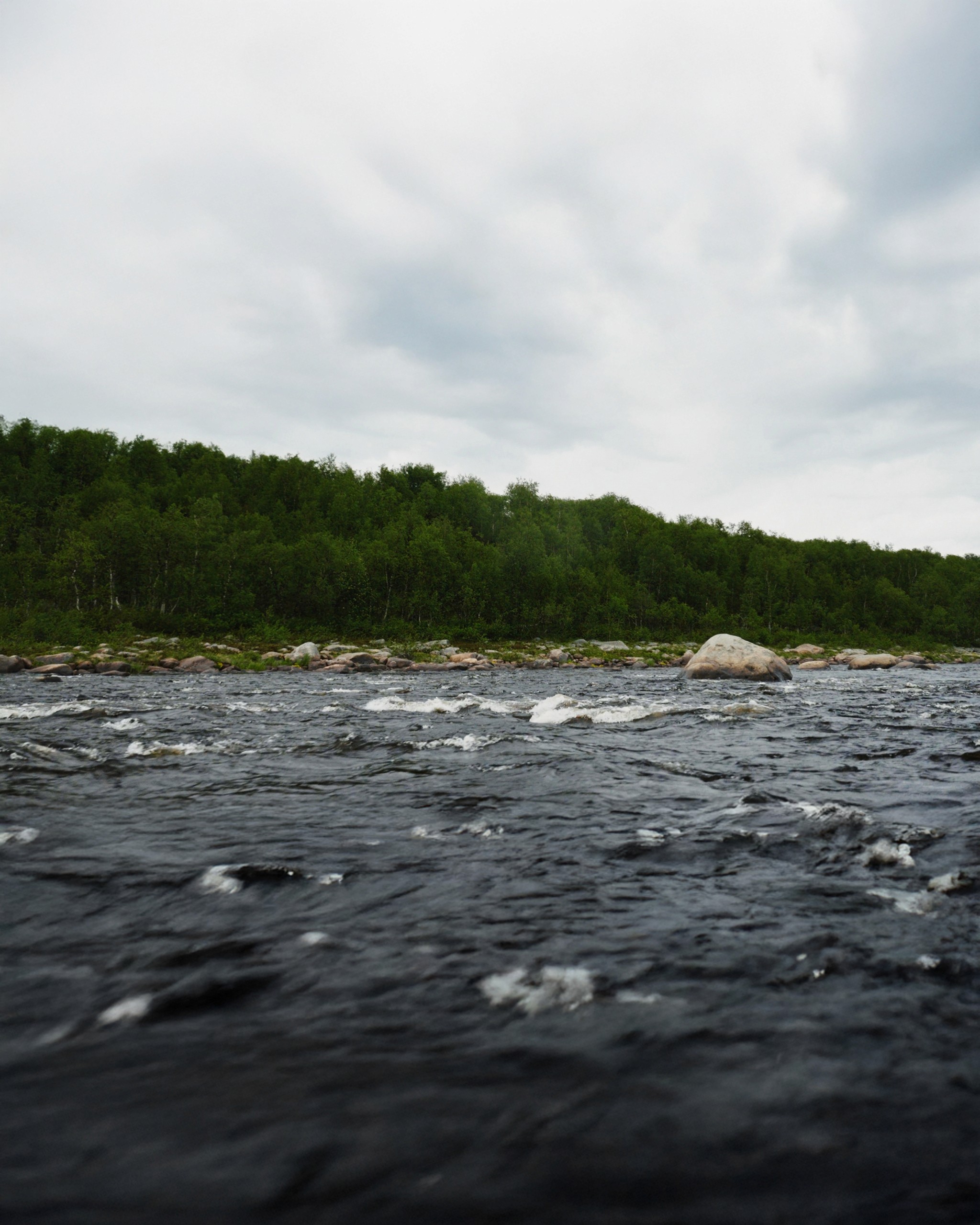
The Yokanga lay far beyond the reach of roads, hidden away in the raw folds of the Kola Peninsula where tundra meets wind and horizon. From above, it appeared as a glistening silver vein running through endless wilderness, twisting and breaking over stone ledges before plunging north, towards the Barents Sea. The nearest trace of habitation is the ghost of the old village of Yokanga. Sat eight kilometres downstream where rusted fuel drums were left behind as the river reclaimed what was theirs, swallowing paths, wharfs, and fences beneath moss and silence.
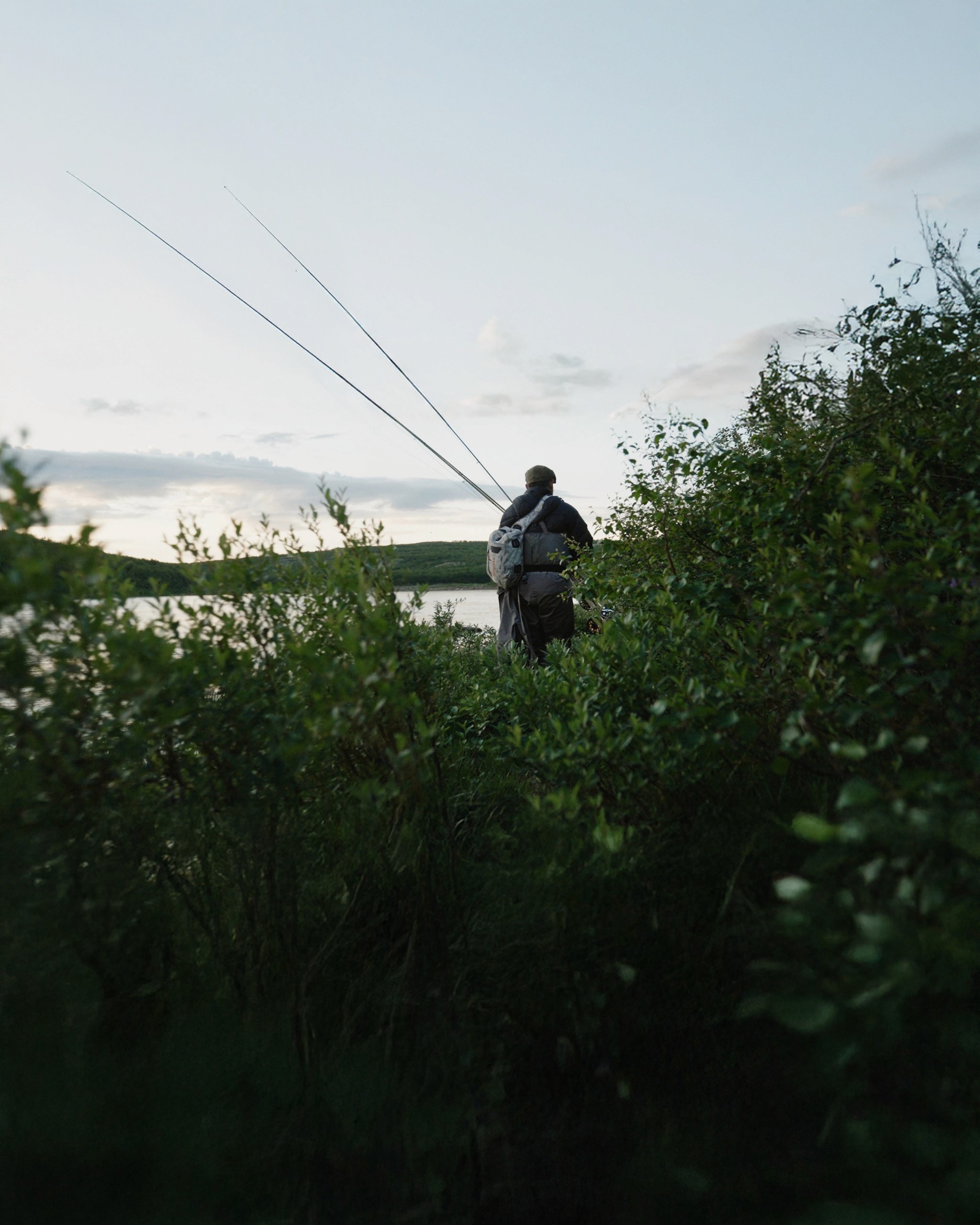
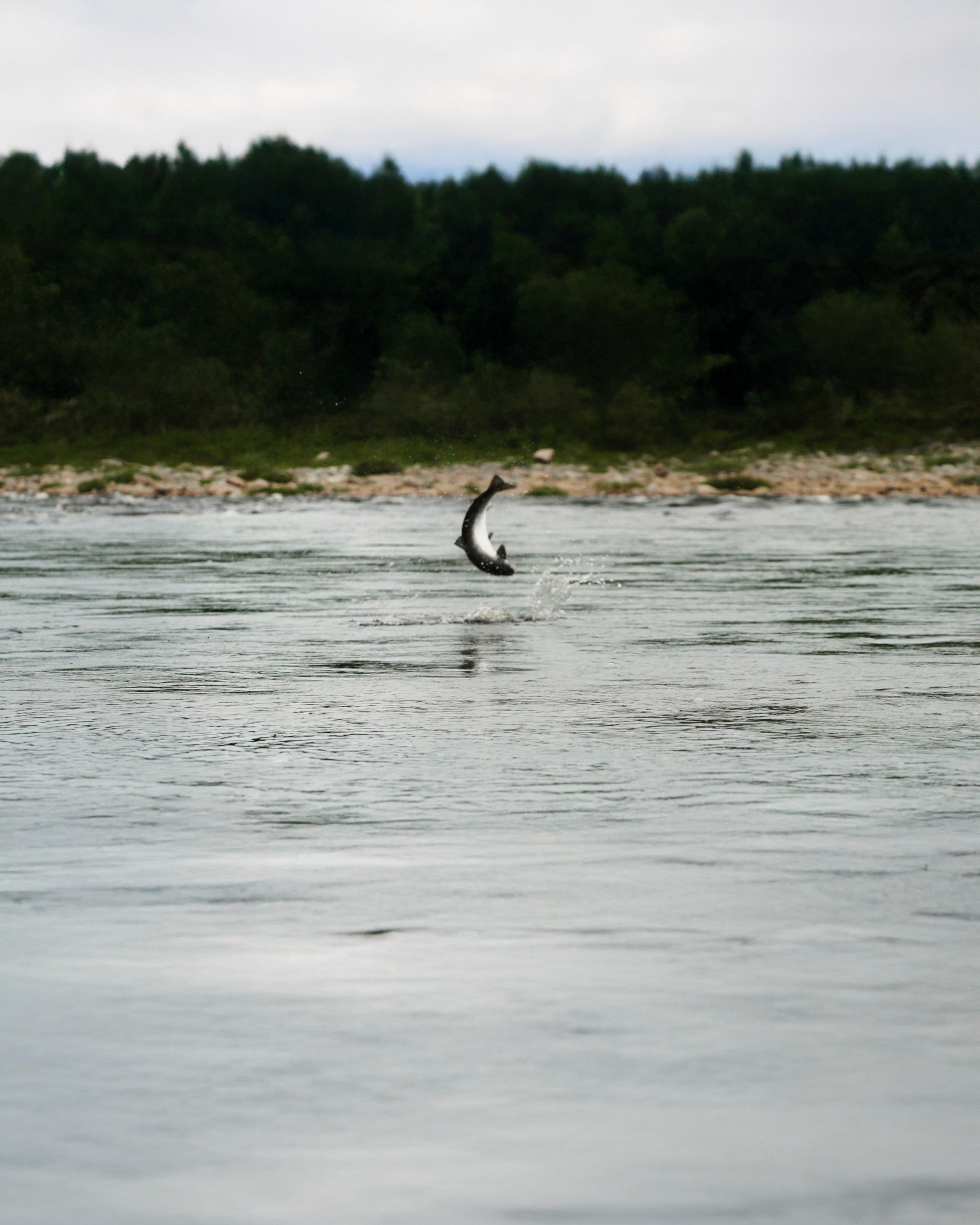
Now the valley belonged to the river alone, its voice was everywhere as the deep rush of water filled the valley with a constant hum. Never silent and never still, it spoke in undertones, travelling against stone and tundra. Reaching the salmon that rested in the tails of each pool, their sides flashing like molten metal in the current of the cold green depths. They were as wild as the river itself, having learnt to overcome the vast oceans and icy springs, each one emerging hardened by the long migrations and the life-threatening pursuit of their predators. They were ready for a fight, and when a salmon rose to the fly, whether it was a sleek Sunray Shadow cutting through the current or a bright Collie Dog skating on the surface, the moment always came without warning. The line drew tight mid- current, a sharp jolt would run through the rod, followed by a heavy, unmistakable pulse of life. Then came the chaos and the thrill: the reel would start screaming and the drag would whine under pressure as the fish ran hard for the tail of the pool. The angler braced himself against the pull as the backing hissed through the guides. For a few breathless seconds, the angler felt nothing but the river’s pull, and the raw strength of something that had crossed half the world to be there. Relentless, cold, and absolute.
No one could tame the Yokanga. It was too remote, too cold, and too old. It carried the ghosts of its fishermen and the memory of its past, and even now when a fly drifted over a pool and the line came tight, the river seemed to remember. Answering with the same ancient and unrelenting strength.
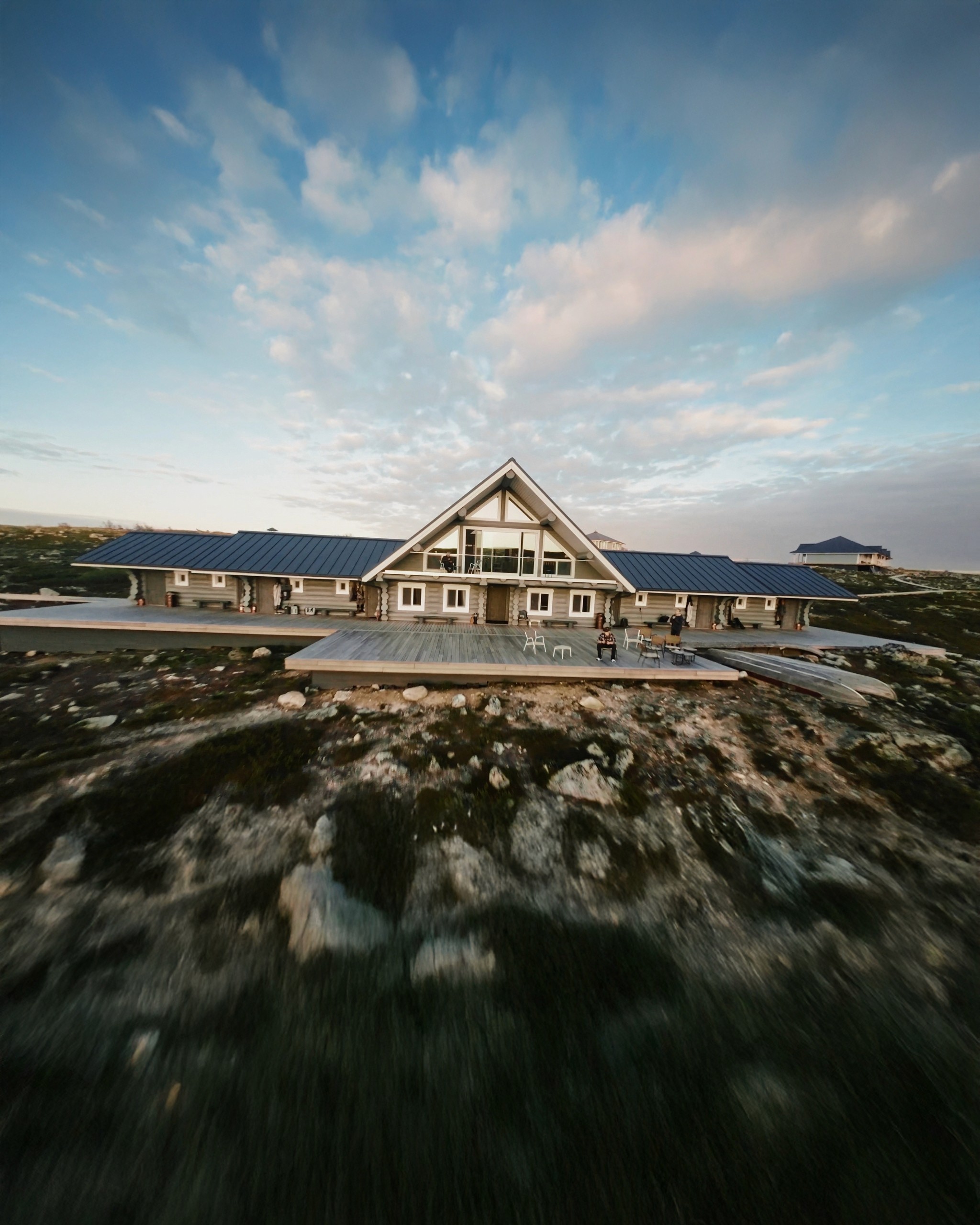
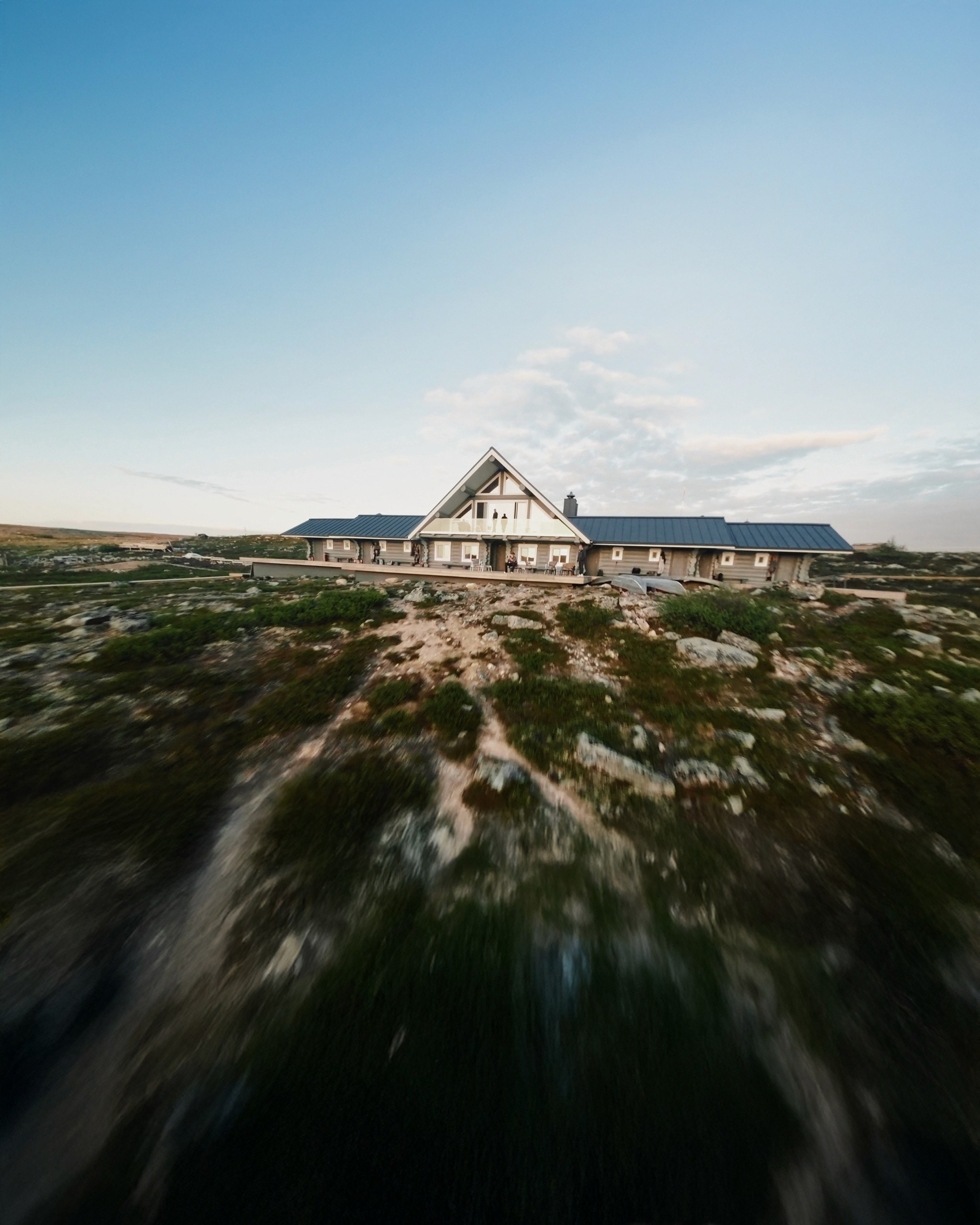
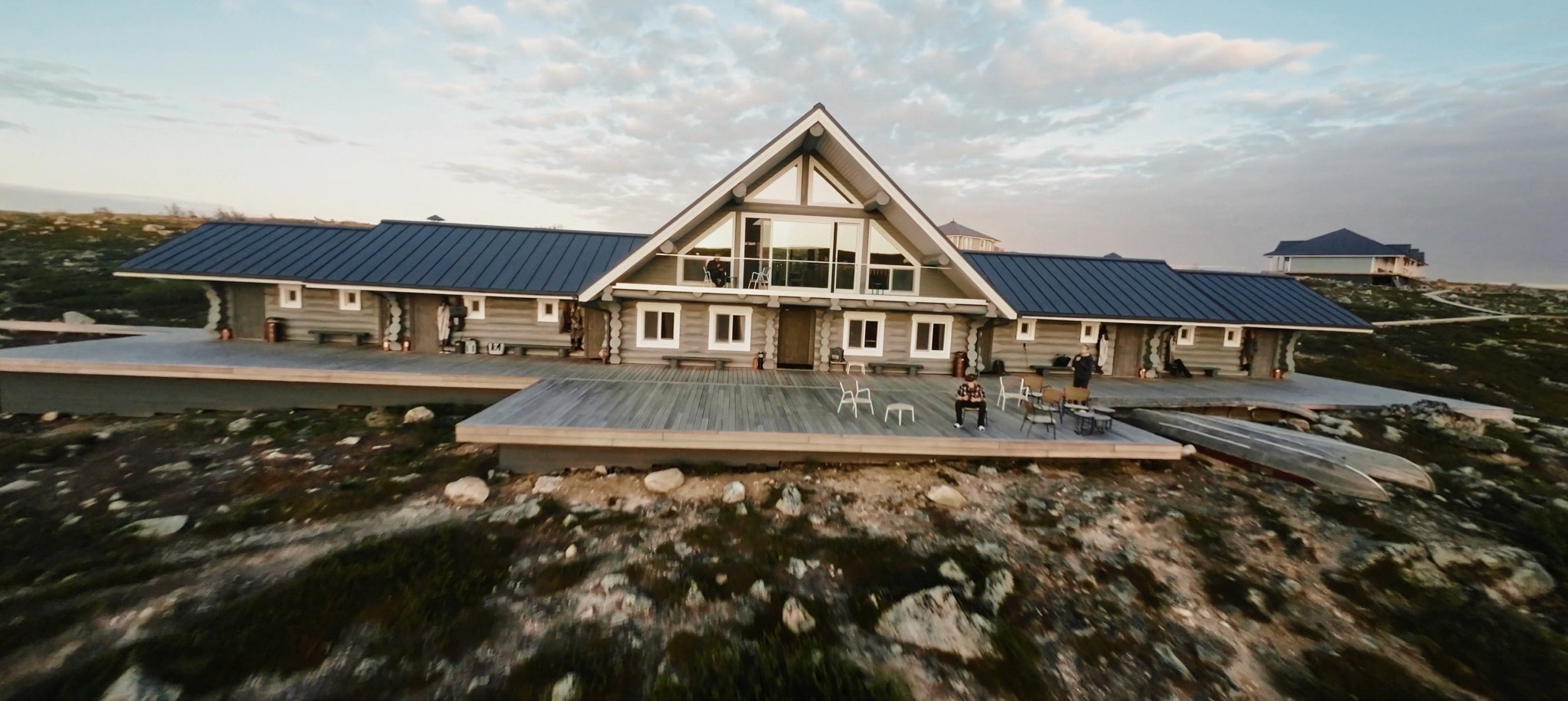
It’s hard to imagine a place where adventure and comfort meet more naturally than at the Yokanga River Lodge, or a time when the River belonged entirely to the wild. Its waters are untamed and primordial amidst the luxury of the lodge, rugged on the outside, refined within. Although the Yokanga River Lodge now thrives in both sophistication and immersion within the rugged wilderness, not so long ago the Lodge was merely a dream, a figment of someone’s imagination. Today it stands as living proof of what desire and determination can achieve.
With contracts up for grabs on several rivers on the Kola, John Horlock and his peers, a group of avid fishermen from the UK decided to investigate the unthinkable and in December 1997 they secured a 15-year lease for the fishing rights of the entire Yokanga river.
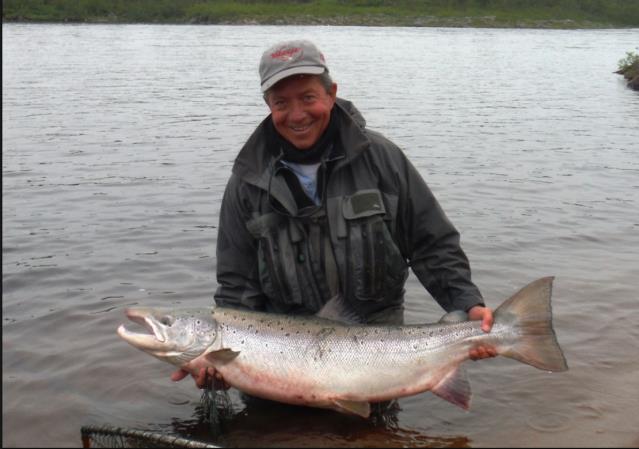
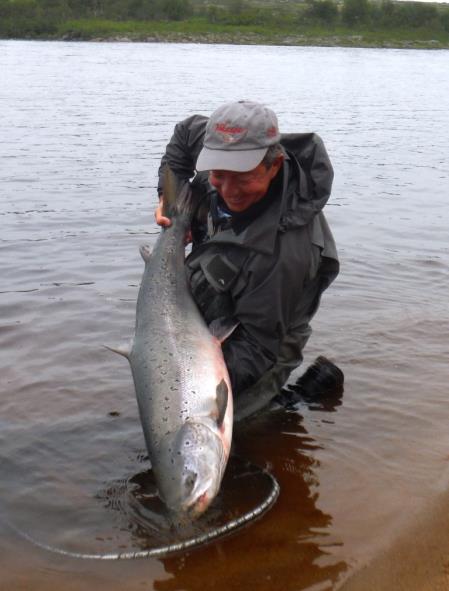
They were all experienced fishermen and skilled anglers, but never before had they found the strength or the grace of these specimens in the Russian rivers. The monstrous Salmon had spent years in the pelagic waters of the Barents Sea, feeding in silence beneath endless light, growing stronger on the restless drift of tides, their bodies forged and hardened by distance. Nothing could stop them once the pull of the river began, drawn to the scent of their birth-streams and their deep ancestral calling not explicable through a map. Awaiting their arrival on the banks, were the anglers. Between them and the Salmon, the old contest began, instinct against patience, wild will against craft, the struggle that joined two worlds: the ocean’s endless reach and the arc of human persistence.
Amazed by the specimens they hooked, and captivated by the excellence of the salmon, they resolved to do the unthinkable, to lease a river of their own. It was an audacious idea; leasing a river anywhere was difficult enough, but in Russia, it had simply never been done before. John Horlock knew all too well that this was going to be a challenge. The process was slow and complicated, but the dream persisted. They imagined a place where anglers could meet the last true Atlantic salmon on its own terms, a river untouched, remote and alive with the power of the North.
A short video of a river was sent to them after the signing of the contract, and any doubts they had quickly vanished, replaced by instant excitement and desire to start their new project. After the search that had spread across the whole of the Kola peninsula, they had finally found it, the Jewel in the Crown of the Kola, the Yokanga.
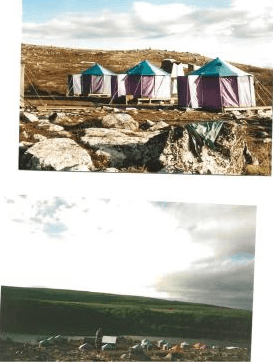
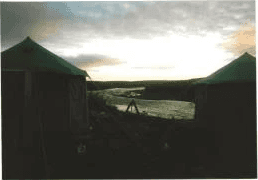
They decided to see the river for themselves. The only true way to understand its power was to surrender to the wilderness. The first opportunity they had to visit the river was late June in 1998. They pitched their tents on the tundra, low birch and moss-strewn stones brushing the edges, as they let their eyes follow the rushing current, making its way through the valley. The river roared past them, and their minds drifted beneath the surface, chasing the hidden shapes sliding through the waters below. They tried to focus their eyes enough on the depths where the salmon waited, strong and cunning, ready to test their skill and patience. Each cast carried the hope of a take, each pool a chance to draw a salmon into the water and feel the line tighten against the drag. On the second evening, as one of John's peers stood knee-deep in the stream, the fly vanished in a surge; the reel began to scream, and the rod bowed deep against the pull. For a moment, everything vanished but the hiss of the line and the bend of graphite, as the raw power coursed through the rod. When the fish finally came to hand, its flanks glinted with cold light before it slipped through their fingertips back into the depths, leaving them silent and in awe on the bank. From that moment, the Yokanga had claimed them, and they were captivated. John could not be pulled away, and it surprised no one that the others had become as mesmerised and captured by the river as him. Every cast, and every sudden take reminded them of what they had found, their excitement spilt over; they had to share this discovery with those who could understand its worth and share their mutual thrill. They imagined the most passionate of their peers, craftsmen of the line, champions, avid anglers, standing in these waters, meeting the same wild strength that had taken hold of them. Few rivers offered such unsurpassable conditions, such honesty in the contest between fish and angler. This was more than a river, it was a proving ground and as far as they knew it could be the pinnacle of the North, it could be the best place in the world.
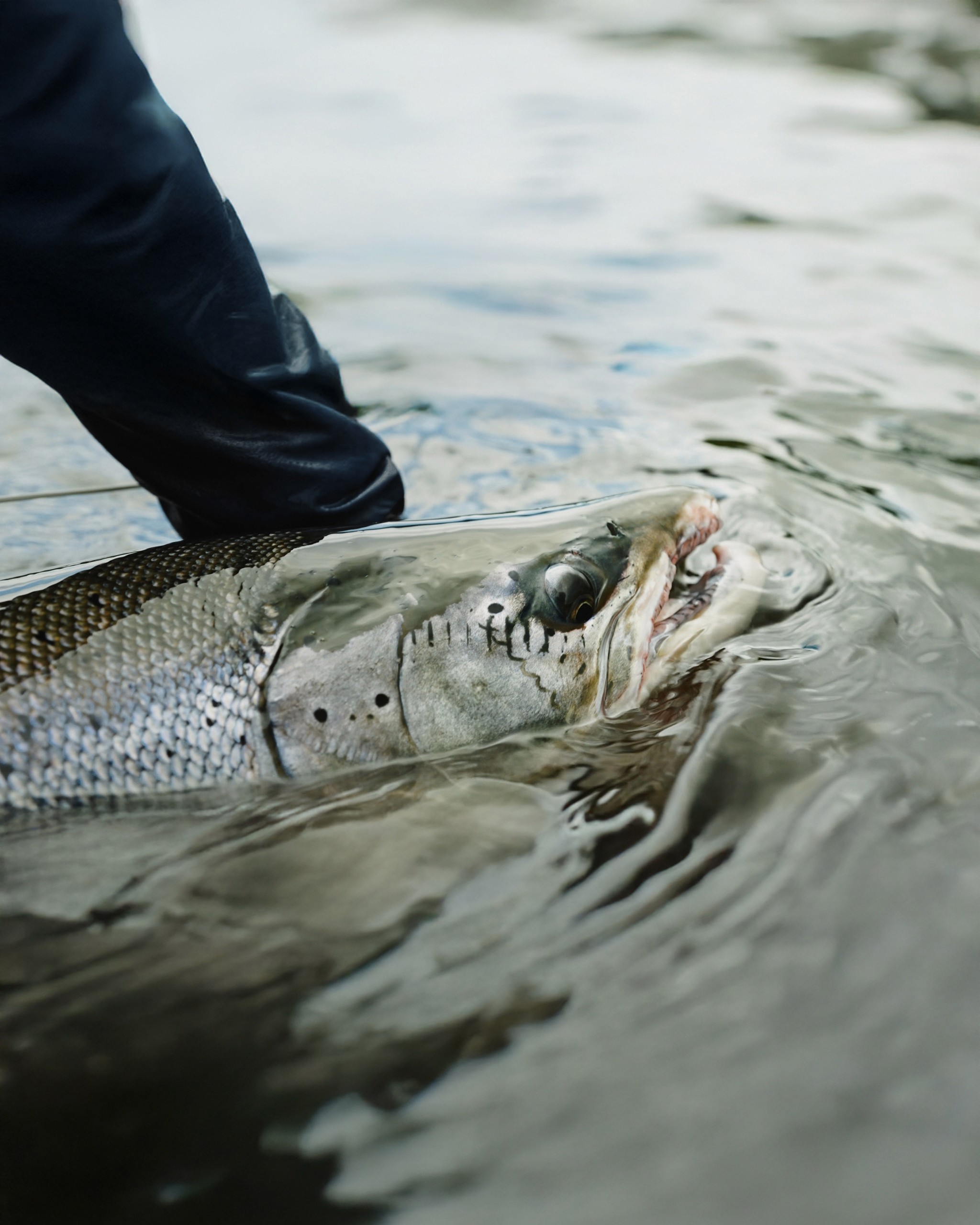
The salmon’s strength was unmatched, head-shaking fighters that peeled off drag, raced through pockets and runs, and refused to yield until exhaustion took hold. The specimen that inhabited the Yokanga was one of the largest and strongest wild Atlantic salmon left on Earth. It was the reason anglers travelled halfway across the globe to fish it, the river’s combination of deep pools, heavy currents and wild scenery made every experience legendary. The salmon remaining wild, strong and genetically pure, is often called the last stronghold of the true giant Atlantic salmon. Every hook-up was a test of technique and instinct, each battle leaving the anglers exhilarated and proud. Leaving the river’s embrace was never easy; the thrill of these relentless adversaries lingered long after the last cast.
It was then that they began to imagine how others might one day share this experience. They needed to build an accommodation for people to stay in as they explored the river. Tents were useful but temporary, and since they weren’t able to legally build anything that was permanently attached to the ground, they had to come up with an idea that would honour the wilderness and adapt to its rhythms. The conditions on the Yokanga were not only rough but almost unlivable, definitely not your typical construction site, and after careful consideration, they realised, the only thing that they could place into this type of wilderness, was a lodge. A place for fellow anglers, their peers, those who could feel the pulse of the river and the thrill of a perfect strike – to step directly into the heart of the Yokanga. Guests would not merely observe the wilderness; they would become part of it, immersed in both the raw beauty of Russia’s north and the relentless challenge of its most powerful river. This was the beginning of what would soon become one of the world’s best fly-fishing venues.
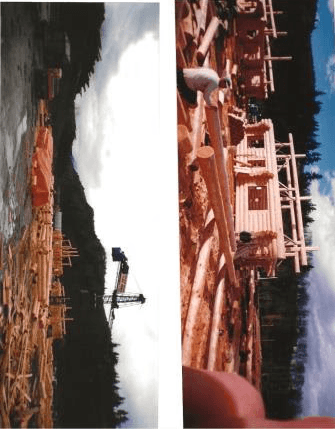
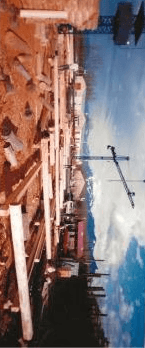
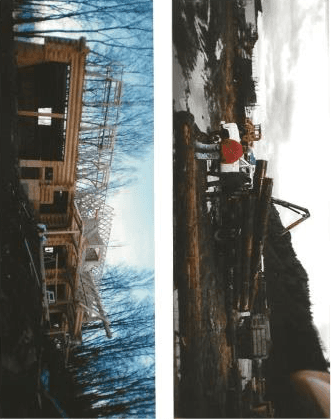
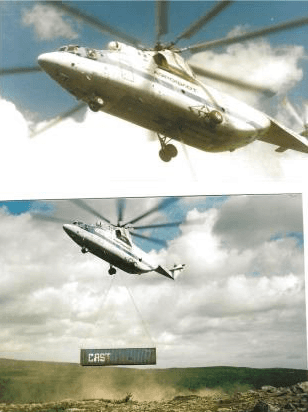
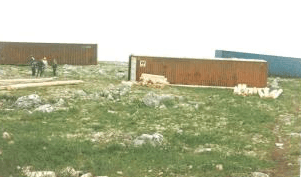
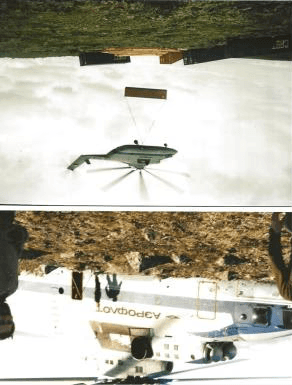
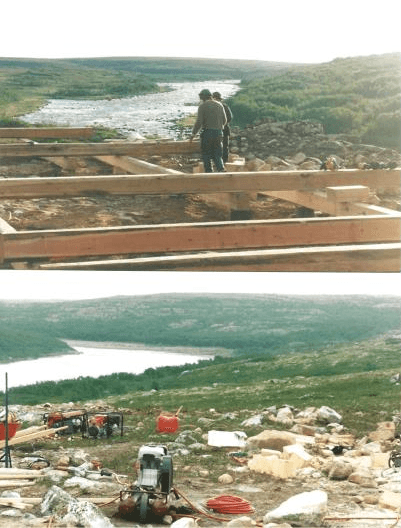
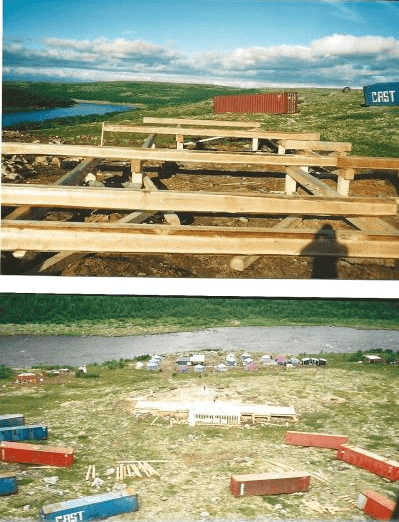
Building such a lodge, however, was no simple task. Proposals were considered from Norway, Finland, and Canada; all regions accustomed to the edge of the tundra, where the wilderness meets the Arctic’s raw power. In the end, the Canadian design was chosen. Its builder was not only experienced in extreme environments but also a fisherman, someone who understood instinctively what the Yokanga demanded. Few could grasp why an angler would travel such lengths to face these salmon, why every battle with the river’s giants was worth the effort. The lodge itself was built in Canada, then disassembled and packed into twelve 20-ton containers. Due to the complexity of the operation, the containers were then sent to the UK, where John and his team were busy filling two more 20-ton containers with the necessities for the Lodge’s interior. Once the containers arrived they chartered a Russian ship that would continue the transportation upstream to the mouth of the Yokanga and then airlifted by MI-26 helicopters to the carefully chosen site. The location placed anglers within walking distance of prime pools, where the current slowed just enough to create exceptional fishing conditions — allowing them to step from the lodge straight into the water without long treks. Construction was completed in early 2000, in conditions unlike any ordinary building site.
The Yokanga changes you. Its salmon are among the largest and most powerful wild Atlantic salmon left on Earth, and catching one is a test of every skill an angler possesses. Hard-running, head-shaking, and relentless in their fight, these fish pull line from the reel, dart through pockets and tailouts, and challenge your patience, technique, and endurance. Many leave with personal bests or the fish of a lifetime; others are humbled, learning discipline, timing, and respect from the river itself. The sensation is primal, the pulse of the line, the spray from a fish breaking the surface, the surge of power in your hands, a reminder that here, you are part of something greater.
Passion fuels the lodge, and careful preservation ensures the river’s survival. This is not just a river. It is the jewel in the crown of the Kola, where the world’s most extraordinary salmon meet anglers prepared to match them.
Here, you do not buy the fish; you reserve the chance to engage with it, to belong to a rare and relentless pursuit.
Written by
Ciara Hart Gonzalez
November 2025
The Northern Lights
n Russias far northern reaches , distance and isolation shape every decision. The roads are scarce and winters are relentless, making most of the landscape inaccessible for months at a time. Being able to access this wilderness was a privilege we relished in, but one that could become easily compromised if our only reliable way to operate in this environment was disrupted. For us, MI8 helicopters were not optimal. Every movement, every commitment to a client, depended on them. When questions over the helicopters costs arose, they quickly became something far more serious than a disagreement over numbers. I was adamant that I needed to take charge, and if I knew there was someone I could rely on to fix this, it was myself.
I remember the winter of 2004 distinctively. By November, the cold season had already claimed the far north of Russia. Days grew shorter, darkness seemed to settle early over the Kola Peninsula, and tension followed quietly, almost as persistent as the cold.
Our Russian partner, Boris, had become adamant that the costs of MI8 helicopters had suddenly risen since the previous season, and therefore our prices must increase sharply as well. Boris was a man with a booming voice and an unshakable belief that his word was law. Once his mind was fixed on a point, there was no untangling it. For weeks, we had been locked in the same argument.
“People will pay,” he told me repeatedly. “They always pay.”
He spoke with absolute confidence, certain our clients would accept whatever we demanded. He could not understand why I refused to concede. What Boris did not know, what I never mentioned on the phone, was that I had already checked. I was in regular contact with other operators across the Kola Peninsula who used the same helicopter company, and I now knew exactly what those helicopters cost. Boris was not only exaggerating, but he had also underestimated me. I decided to keep this information to myself.
Our phone calls grew increasingly hostile. Polite discussion vanished, replaced by raised voices and circular arguments. We were like two boxers in a ring, each unwilling to back down. I had had enough. There was only one way to resolve this.
I would have to go to Murmansk.
I flew via Moscow, watching the landscape fade into endless darkness. By the time we landed, it was close to midnight. The air outside was brutally cold, the kind that burns your lungs and sharpens every sound. If the plane hadn’t left me stiff, the cold finished the job. The last thing I wanted was a tense, even colder meeting with Boris.
He was not hard to spot, his confident, tense demeanour as evident in person as it had been on the phone. I approached him cautiously, keeping my eyes level with his. We shook hands. To this day, it remains one of the coldest handshakes I remember, not just because of the temperature. There was no smile, no small talk. Just two men who had spent weeks arguing, now facing each other, each trying to mask discomfort.
I climbed into the front seat of his car, and we drove off into the night in silence. The road out of Murmansk was narrow, dark, and unsettling. On either side, shadows revealed graveyards, row upon row, fading back into blackness. I wasn’t sure if he had chosen this route deliberately or if it was simply the way home. At one in the morning, in that frozen silence, it felt surreal and if his intent had been to unsettle me, it was working.
Neither of us spoke. I wanted to put on the radio and drown the tension, but I dared not. After a couple of miles, Boris slowed and pulled over into the shadows. I froze, staring into the darkness ahead.
“Get out,” he said.
My heart dropped. I hesitated. Alone on a deserted road, surrounded by darkness and graves, in a country I barely knew. Carefully, I opened the door, every sense alert, and stepped into the freezing air. Boris stepped out behind me. I didn’t know how to react, and before I could weigh my options, he raised his arm and pointed upward.
“Look,” he said.
I tilted my head back. The sky exploded with light.
It was the Northern Lights, alive, moving, stretching across the heavens, glowing green and white in vast, silent waves. They shimmered and twisted above us. For a long moment, neither of us spoke.
Standing there in the cold, mesmerised by the impossible sky, everything changed. The anger, suspicion, and weeks of arguing melted away. Whatever walls or differences had separated us quietly collapsed. The next day, our meeting was calm, civil, productive. We talked through the numbers and the reality without shouting or threats. It was as if we finally understood one another.
When I think back on that trip, it isn’t the prices or the negotiations that stay with me.
It’s a frozen road outside Murmansk, the silent gaze above, and, most of all, the Northern Lights
Written by
Ciara Hart Gonzalez
February 2026
Nov 1, 2025
The Beginning
The story of how a remote Arctic river, giant Atlantic salmon, and a determined group of anglers gave rise to the Yokanga River Lodge.
Feb 1, 2026
The Northern Lights
A difficult winter journey to Murmansk becomes an unforgettable encounter beneath the Northern Lights.
Jul 30, 2026
Mother Bear at the Door
A mother bear claims a remote river outpost, leading to an extraordinary standoff with the wilderness and a hovering helicopter.
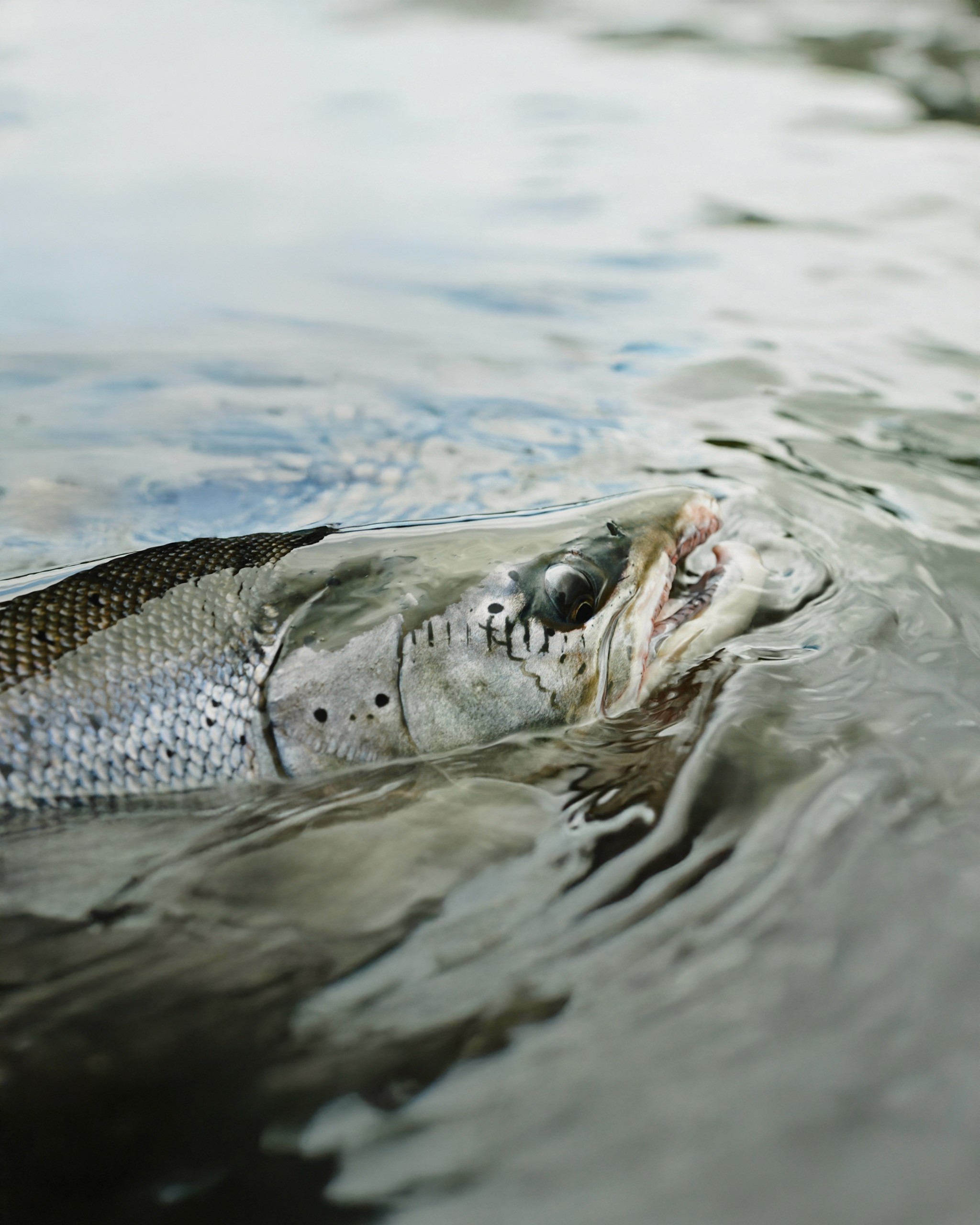
At Yokanga River Lodge, immerse yourself in refined wilderness comfort while pursuing the fiercest Atlantic salmon on Earth—where every cast feels like the story of a lifetime.
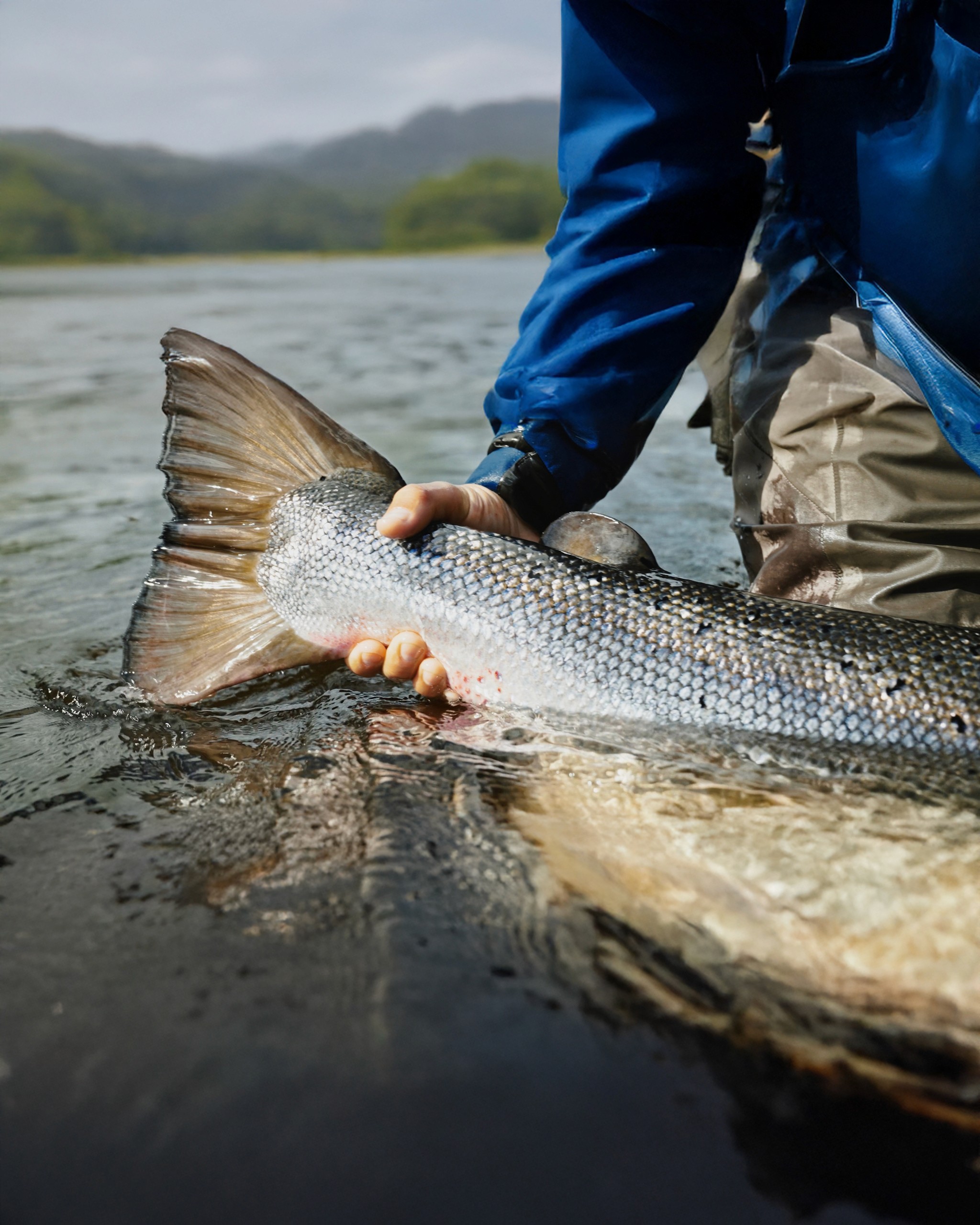
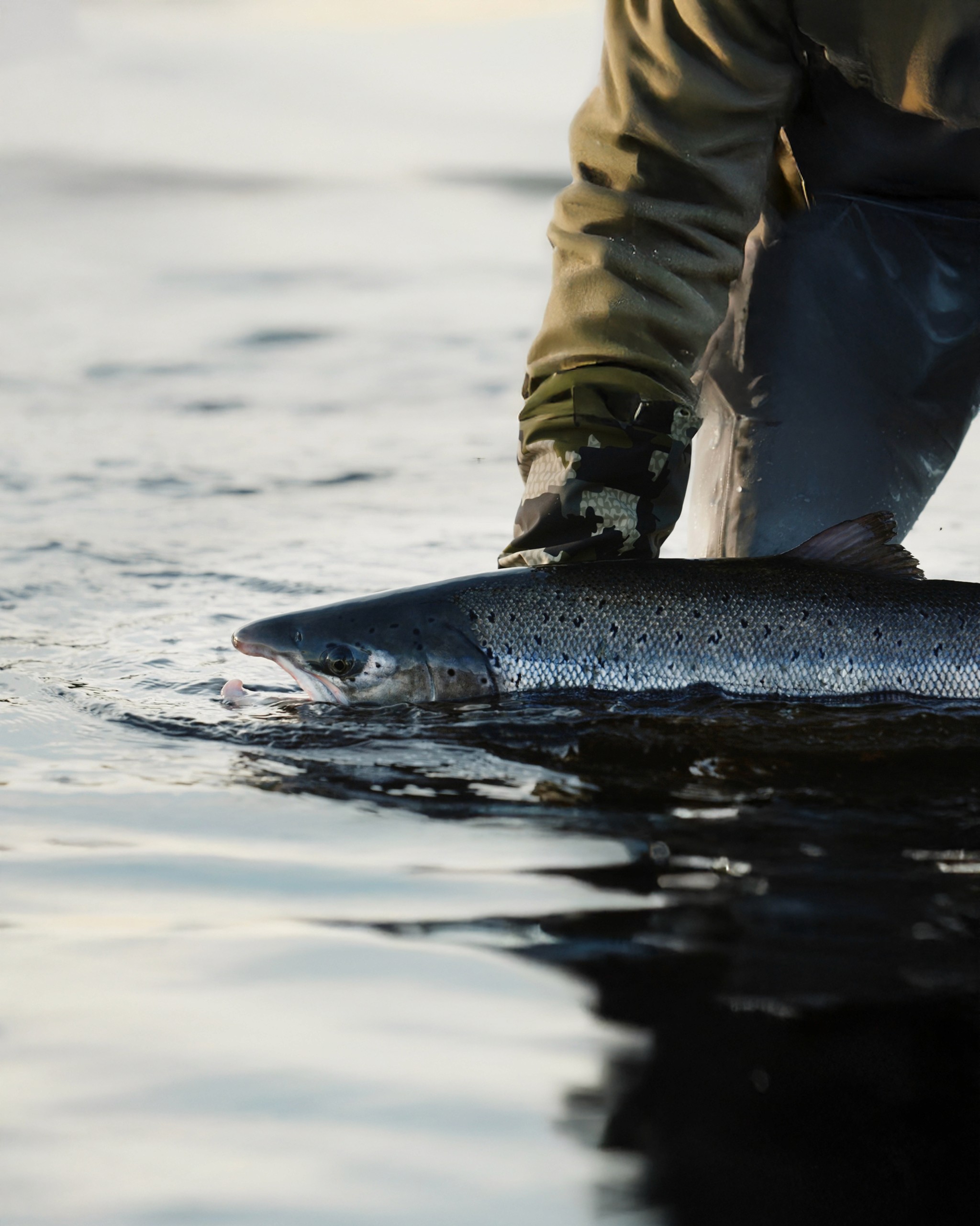
At Yokanga River Lodge, immerse yourself in refined wilderness comfort while pursuing the fiercest Atlantic salmon on Earth—where every cast feels like the story of a lifetime.
At Yokanga River Lodge, immerse yourself in refined wilderness comfort while pursuing the fiercest Atlantic salmon on Earth—where every cast feels like the story of a lifetime.
Start your journey.
Start your journey.
We look forward to crafting your adventure
We look forward to crafting your adventure
Booking

@yokanga_lodges



@yokanga_lodges
@yokanga_lodges